



GABA Receptor
Gamma-aminobutyric acid Receptor; γ-Aminobutyric acid Receptor
GABA receptors are a class of receptors that respond to the neurotransmitter gamma-aminobutyric acid (GABA), the chief inhibitory neurotransmitter in the vertebrate central nervous system. There are two classes of GABA receptors: GABAA and GABAB. GABAA receptors are ligand-gated ion channels (also known as ionotropic receptors), whereas GABAB receptors are G protein-coupled receptors (also known asmetabotropic receptors). It has long been recognized that the fast response of neurons to GABA that is blocked by bicuculline and picrotoxin is due to direct activation of an anion channel. This channel was subsequently termed the GABAA receptor. Fast-responding GABA receptors are members of family of Cys-loop ligand-gated ion channels. A slow response to GABA is mediated by GABAB receptors, originally defined on the basis of pharmacological properties.
All Product Categories
-
GABA Receptor Inhibitors
(152)
View all products
-
GABA Receptor Agonists
(189)
View all products
-
GABA Receptor Antagonists
(136)
View all products
-
GABA Receptor Activators
(69)
View all products
-
GABA Receptor Modulators
(93)
View all products
-
GABA Receptor Controls
(4)
View all products
-
GABA Receptor Ligands
(16)
View all products
-
GABA Receptor Related Products (777)
Related Products (777)

-
Antibodies (14)
-
Related Compound Screening Libraries (1)
-
Basmisanil
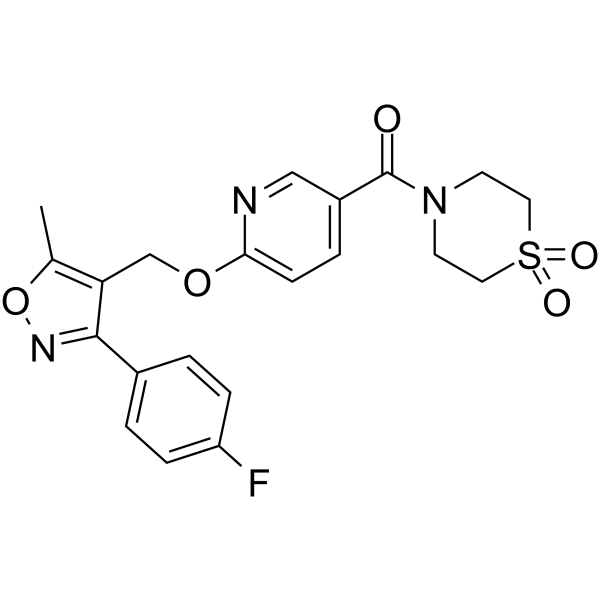 0 ImagesSynonyms: RG1662; RO5186582Basmisanil (RG1662) is a highly selective orally active α subunit-containing GABAA receptors (GABAAα5) negative allosteric modulator (NAMs). Basmisanil can inhibit GABAA-α5 with a Ki value of 5 nM and IC50 value of 8 nM, respectively. Basmisanil can be used for the research of multiple cognitive and psychiatric disorders.
-
BPDBA
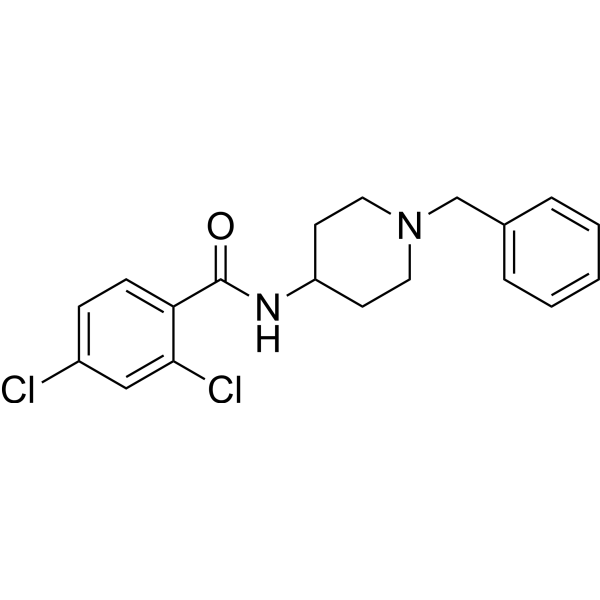 0 ImagesBPDBA is a selective and noncompetitive betaine/GABA transporter (BGT-1) inhibitor with IC50s of 20 μM and 35 μM against human BGT-1 and mouse GAT2, respectively.
-
CGP 54626 hydrochloride
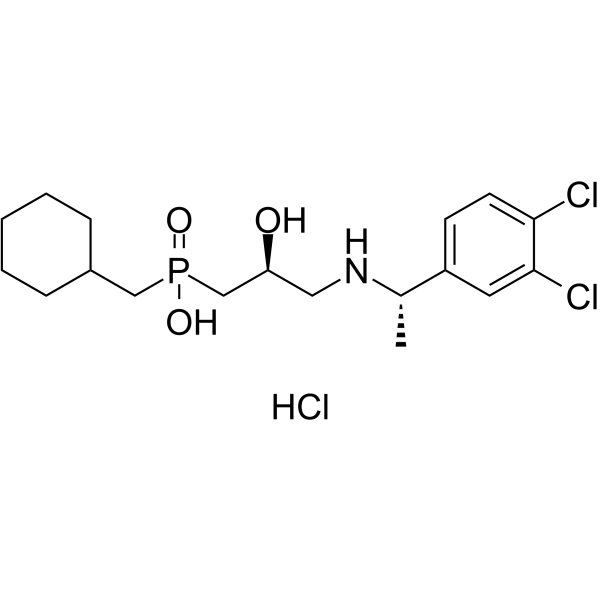 0 ImagesCGP 54626 (hydrochloride) is a selective antagonist of GABAB receptor with an IC50 value of 4 nM. CGP 54626 (hydrochloride) can be used to investigate the role of GABAB receptors in neurological signaling.
-
Alpidem
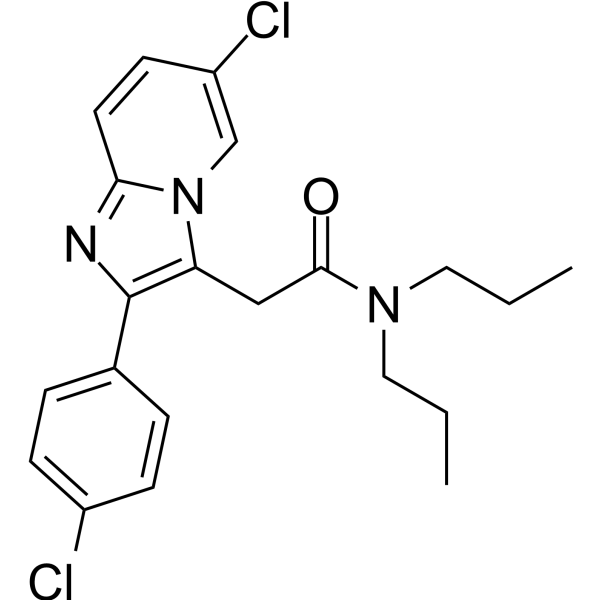 0 ImagesAlpidem, an anxiolytic agent, is an orally active and brain-penetrant GABAA receptor ligand, binds to α1β2γ2 subunit-containing GABAA receptors (IC50 of 17 nM) over α5β2γ2 subunit-containing GABAA receptors (IC50 of >10 μM). Alpidem modulates calcium-induced mitochondrial permeability transition, induces glutathione depletion and hepatocyte necrosis, potentiates TNF-α toxicity, inhibits marble-burying and locomotor activity, enhances stressed rodent feeding behavior, and exerts anticonvulsant effects. Alpidem can be used for the research of anxiety, anxiety disorders, and convulsions.
-
Baclofen hydrochloride
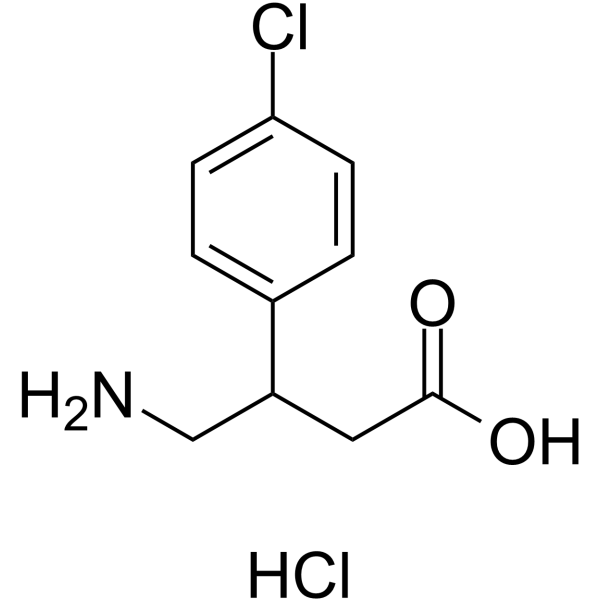 0 ImagesBaclofen hydrochloride, a lipophilic derivative of γ-aminobutyric acid (GABA), is an orally active, selective metabotropic GABAB receptor (GABABR) agonist. Baclofen hydrochloride mimics the action of GABA and produces slow presynaptic inhibition through the GABAB receptor. Baclofen hydrochloride has high blood brain barrier penetrance. Baclofen hydrochloride has the potential for muscle spasticity research.
-
Piperidine-4-sulfonic acid
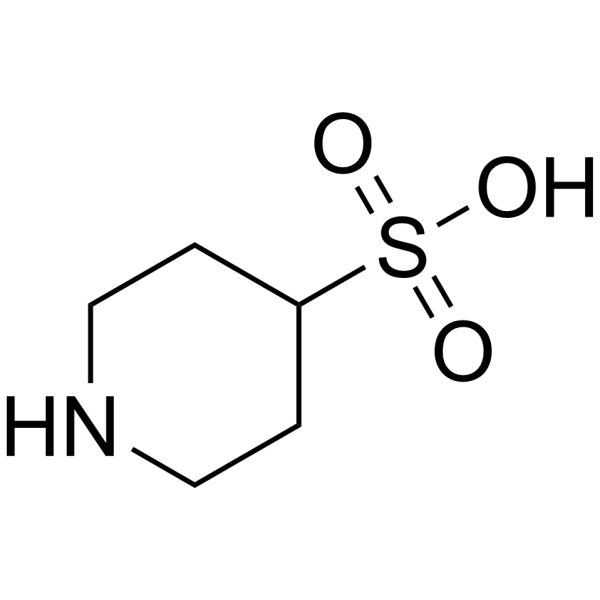 0 ImagesPiperidine-4-sulfonic acid is a potent GABA agonist with an IC50 of 0.034 μM for the inhibition of the binding of H-GABA.
-
Padsevonil
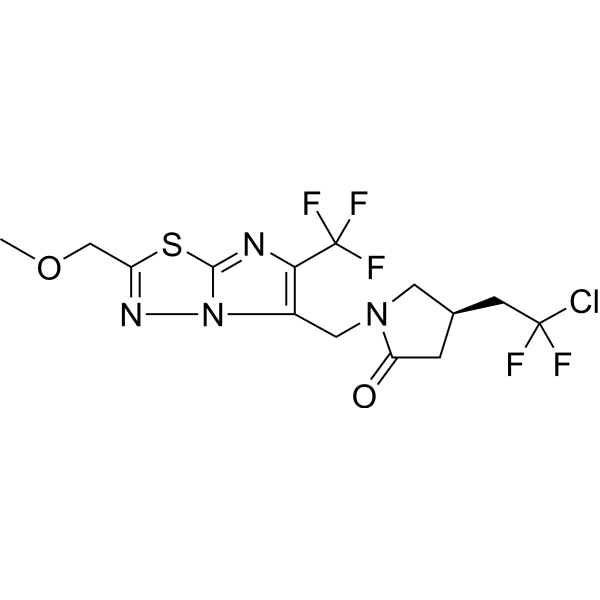 0 ImagesSynonyms: UCB-0942Padsevonil (UCB0942) is a potent antiepileptic agent that selectively acts on presynaptic and postsynaptic targets. Padsevonil binds to synaptic vesicular protein 2 (SV2) with high affinity. Padsevonil is also a positive allosteric modulator and partial agonist of GABAAR, with high potency against α1 and α5 receptors. Padsevonil has antiepileptic effects in a variety of rodent models.
-
Tiagabine
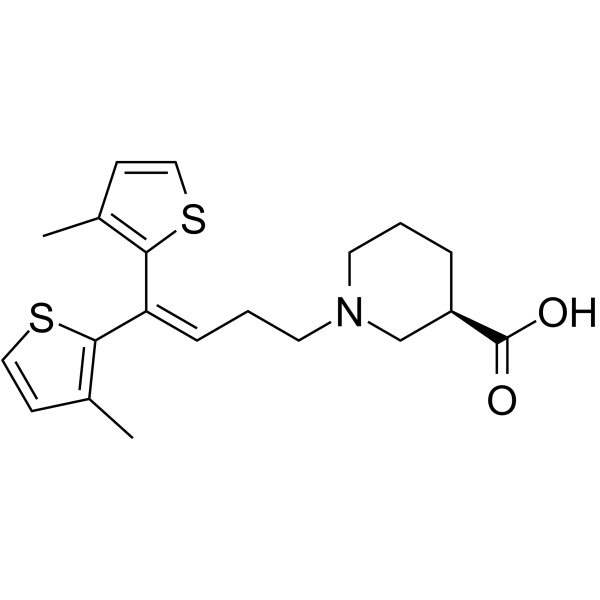 0 ImagesSynonyms: NO050328; NO328; TGBTiagabine (NO050328; NO328; TGB) is an orally active, highly selective, and reversible GAT-1 inhibitor and anticonvulsant that crosses the blood-brain barrier. By blocking the reuptake of GABA in neurons and glial cells, tiagabine increases extracellular GABA levels to enhance inhibitory signal transduction, thereby exerting multiple activities such as anticonvulsant, neuroprotective, and antioxidant effects. Tiagabine exhibits linear pharmacokinetic properties. Although it is metabolized by CYP3A and has a high protein binding rate, it carries a low risk of cognitive impairment. Tiagabine is widely used in research on related diseases including epilepsy (including refractory partial seizures), alcohol withdrawal symptoms, and Huntington's disease.
-
Ginkgolide A
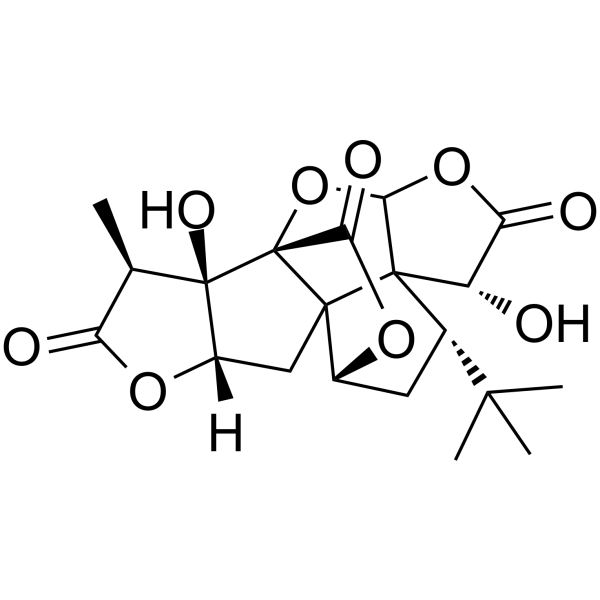 0 ImagesSynonyms: BN-52020Ginkgolide A (BN-52020) is an extract from in Ginkgo biloba and a g-aminobutyric acid (GABA) antagonist.
-
Humulone
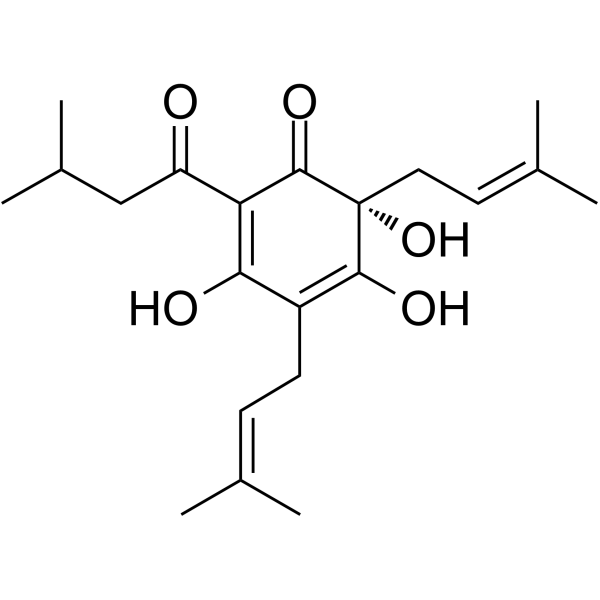 0 ImagesSynonyms: α-Lupulic acidHumulone (α-Lupulic acid), a prenylated phloroglucinol derivative, is a potent cyclooxygenase-2 (COX-2) inhibitor. Humulone acts as a positive modulator of GABAA receptor at low micromolar concentrations. Humulone is an inhibitor of bone resorption. Humulone possesses antioxidant, anti-angiogenic and apoptosis-inducing properties.
-
α-Thujone
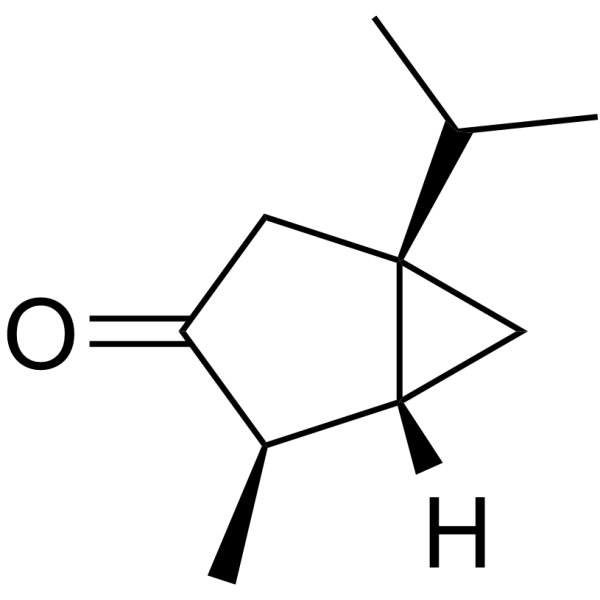 0 Imagesα-Thujone is a monoterpene isolated from Thuja occidentalis essential oil with potent anti-tumor activities. α-Thujone is a reversible modulator of the GABA type A receptor and the IC50 for α-Thujone is 21 μM in suppressing the GABA-induced currents. α-Thujone induces ROS accumulation-dependent cytotoxicity, also induces cell apoptosis and autophagy. α-Thujone has antinociceptive, insecticidal, and anthelmintic activity, and can cross the blood-brain barrier.
-
3-Methylglutaconic acid
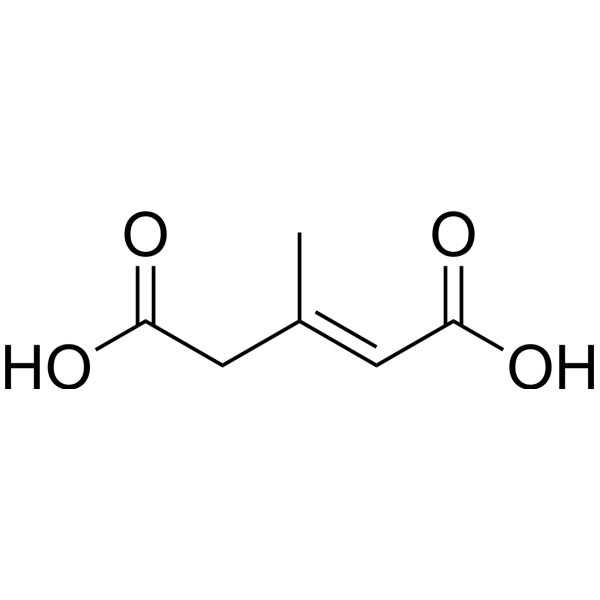 0 Images3-Methylglutaconic acid is the major metabolites accumulating in 3-Methylglutaconic aciduria (MGTA). 3-Methylglutaconic acid can induce lipid oxidative damage and protein oxidative. 3-Methylglutaconic acid decreases the non-enzymatic antioxidant defenses in cerebral cortex supernatants to elicit oxidative stress in the cerebral cortex. 3-Methylglutaconic acid can be used for brain damage disease research.
-
γ-Aminobutyric acid-d2
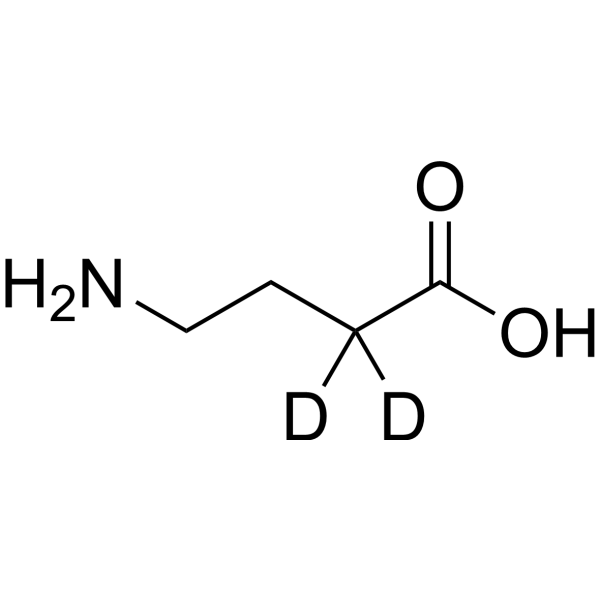 0 ImagesSynonyms: 4-Aminobutyric acid-d2γ-Aminobutyric acid-d2 is the deuterium labeled γ-Aminobutyric acid. γ-Aminobutyric acid (4-Aminobutyric acid) is a major inhibitory neurotransmitter in the adult mammalian brain[1][2], binding to the ionotropic GABA receptors (GABAA receptors) and metabotropic receptors (GABAB receptors)[2].
-
Guvacine hydrochloride
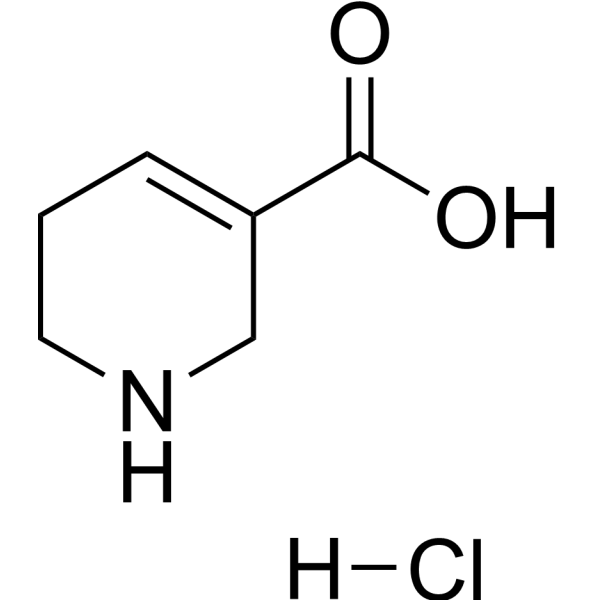 0 ImagesGuvacine hydrochloride is an alkaloid from the nut of Areca catechu, acts as an inhibitor of GABA transporter, and dispalys modest selectivity for cloned GABA transporters with IC50s of 14 μM (human GAT-1), 39 μM (rat GAT-1), 58 μM (rat GAT-2), 119 μM (human GAT-3), 378 μM (rat GAT-3), and 1870 μM (human BGT-3).
-
CGP 36742
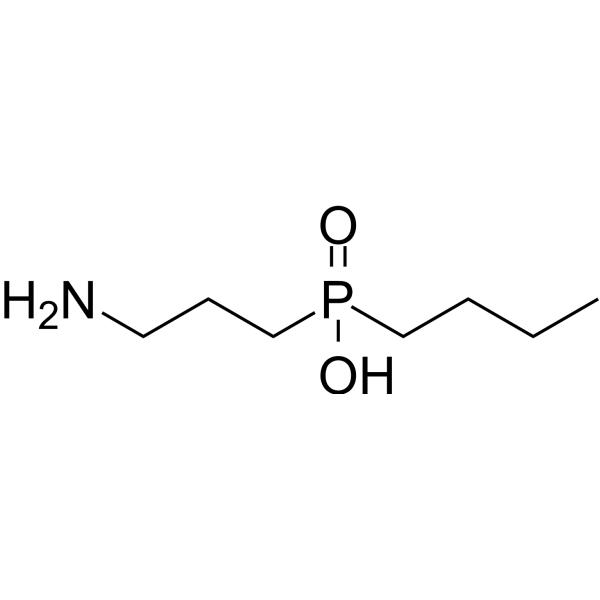 0 ImagesSynonyms: SGS-742CGP 36742 (SGS-742) is an orally active and selective antagonist of GABAB receptor (IC50 = 36 µM). CGP 36742 is a brain-penetrant compound and improves cognitive performances. CGP 36742 can be used for depression study.
-
Lotilaner
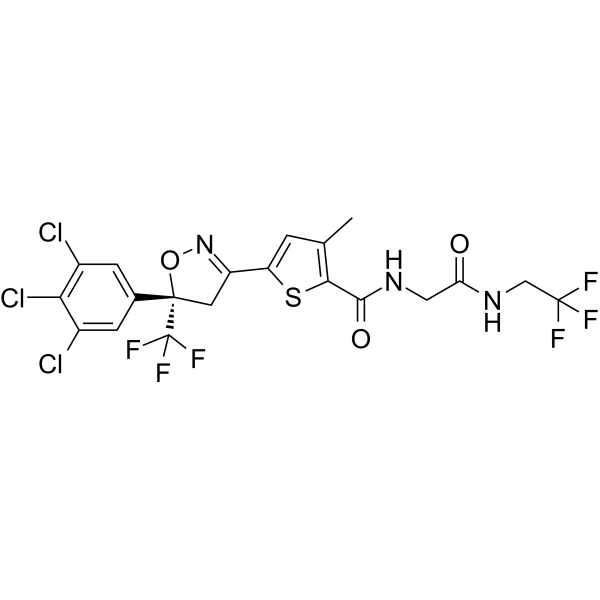 0 ImagesLotilaner is a parasiticide, acts as a potent non-competitive antagonist of insects GABACl receptors, with an IC50 of 23.84 nM for Drosophila melanogaster GABA receptor. No effect on a dog GABAA receptor.
-
L-655708
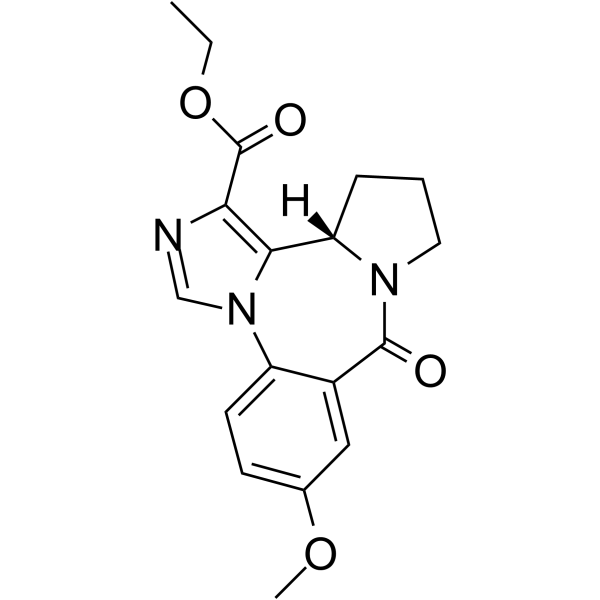 0 ImagesL-655708 is a potent α5 subunit-selective GABAA receptor inverse agonist (Ki=0.45 nM).
-
Dihydroergotoxine mesylate
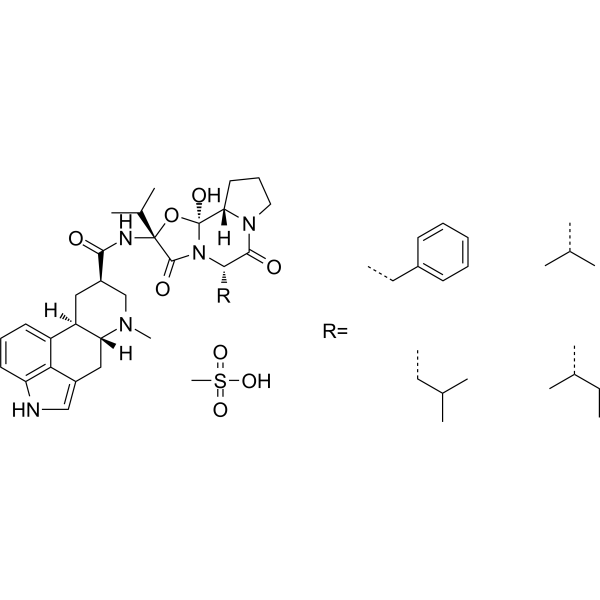 0 ImagesDihydroergotoxine mesylate (Ergoloid mesylates) is an α-adrenergic blocking agent. Dihydroergotoxine mesylate binds with high affinity to the GABAA receptor associated Cl- channel. Dihydroergotoxine mesylate also interacts with central dopaminergic and serotonergic receptors. Dihydroergotoxine mesylate displays antiproliferative, antihypertensive and neuroprotective activity.Dihydroergotoxine mesylate (Ergoloid mesylates) is an α-adrenergic blocking agent. Dihydroergotoxine mesylate binds with high affinity to the GABAA receptor associated Cl- channel. Dihydroergotoxine mesylate also interacts with central dopaminergic and serotonergic receptors. Dihydroergotoxine mesylate displays antiproliferative, antihypertensive and neuroprotective activity.




